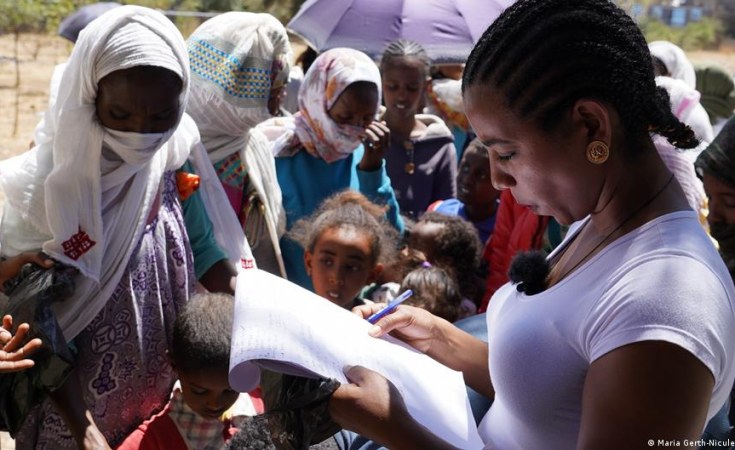
Community-based health interventions are a proven model in addressing healthcare disparities, especially in underserved regions.
These types of interventions prioritize collaboration with the very people they are designed to help, ensuring cultural sensitivity, context relevance, and higher acceptance.
At CSHP Foundation, we have seen firsthand how involving community voices leads to better outcomes.
Rather than impose external strategies, we invited local midwives and community leaders to co-develop the curriculum.
This approach made the content more relatable, and as a result, we witnessed a 40% increase in antenatal care attendance in six months.
Women who had never visited a health center began attending regularly, inspired by the relevance of the discussions and the trust built with facilitators.
Community-based interventions also offer a cost-effective and sustainable way to address deep-rooted health problems. They tap into local knowledge and build capacity at the grassroots, ensuring continuity even after the primary intervention ends.
By fostering ownership, improving literacy, and strengthening networks, these programs do more than provide services — they transform mindsets and build healthier, self-reliant communities.